Carbon Emission Sectors
Renewable Energy and Sustainable Transport
Sources of renewable energy is a sustainable alternative to fossil fuels. The potential of solar, wind, hydro, biomass, and thermal energy sources act as raw material for heat and electricity production. Jointly, these advanced technologies help cut the carbon footprint and enhance energy security, and drive the move toward a sustainable, low-carbon future.
Electric vehicles (EVs) are a key solution to switch the lowering transport-related emissions by replacing conventional fuel-based vehicles with zero-emission models.
Renewable Energy Sources
Solar Energy
Harnessing sunlight for clean power
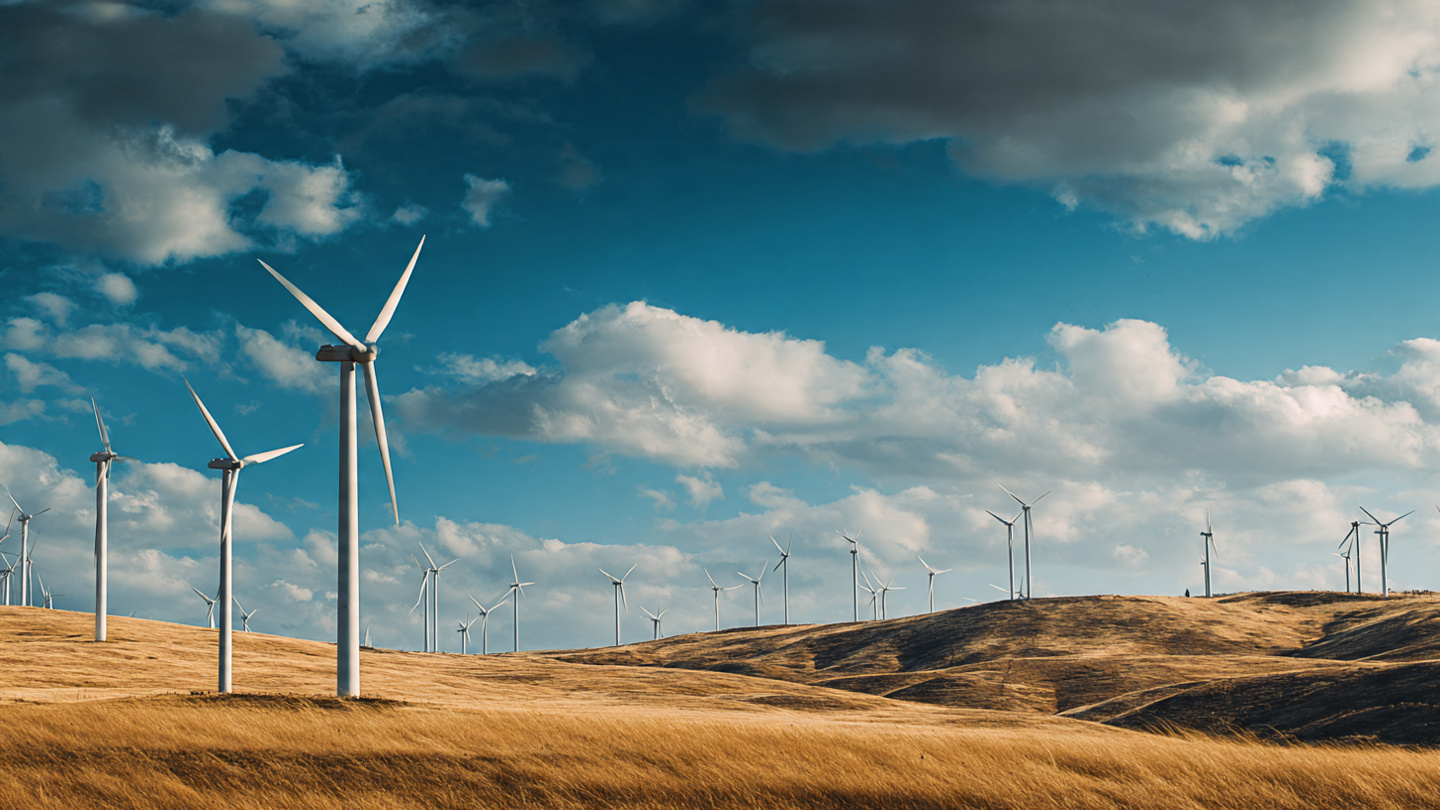
Wind Energy
Converting wind into electricity
Hydropower
Utilizing water flow for energy
Biomass
Organic materials to energy
Industrial Decarbonisation
Recycled Carbon Fuels
Cutting-edge energy sources made from biomass waste or recovered industrial CO₂—in comparison to traditional fossil fuels, it drastically reduces net emissions by recycling carbon in this manner.
Biochar
Functions as an environmentally beneficial fuel and industrial additive, taking the place of carbon black derived from fossil fuels. When applied to soils or products, it stores carbon, lowers pollutants, and aids in climate mitigation efforts.
Graphene
A unique carbon allotrope with exceptional strength, conductivity, and low weight, which is revolutionizing industries. It is used in energy-efficient batteries, lightweight materials, and advanced catalysts because of its large surface area and reactivity; the low quantity of the material is useful to perform in high yield.
Green Ammonia
Produced by combining nitrogen and hydrogen powered by renewable resources, it enables the production of low-carbon fertilizers. This decarbonizes one of the most emission-intensive industrial sectors, lowers emissions from agriculture, and promotes sustainable food systems.
Green Hydrogen
Green hydrogen is an emerging clean energy technology, produced using renewable-powered processes, serving as an adaptable, zero-emission fuel for industry, power, and transport.
Agriculture, Forest & Land Use
Mangrove Ecosystems
Mangrove ecosystems act as powerful shoreline green shelters and the unrivalled material for carbon sinks. Restoring and conserving mangroves builds resilience against climate impacts while sequestering large volumes of CO₂.
Plantation Expansion
By enlarging the belt of plantation in bare lands and strengthening the degraded forest system, it reduces surface heat and supports climate-resilient agriculture by boosting crop yield and adapting landscapes to climate stress.
Seaweed Cultivation
Aids climate-positive marine agriculture. Rapid growth of seaweed and the capturing of CO₂ through photosynthesis helps counter ocean acidification.
Wetland Restoration
Wetlands serve as natural reservoirs for water, purify pollutants, and sequester carbon within both vegetation and soil. Safeguarding and rehabilitating these ecosystems mitigates flood hazards for agricultural land, promotes biodiversity, and boosts the capacity for long-term carbon storage.
Waste
Recycling
Recycling involves reprocessing materials such as plastics, paper, and metals into new products. This process reduces the need for virgin raw materials, lowers emissions and energy consumption during manufacturing, and minimizes landfill waste, thereby promoting a circular economy and reducing carbon footprints
Refuse Derived Fuels (RDF)
Refuse Derived Fuels are produced by converting municipal waste into combustible materials that can serve as substitutes for coal or oil in various industries. RDF helps to decrease landfill waste, lower methane emissions, and diminish overall carbon emissions associated with energy production
Biogas & Composting
Biogas is produced through the anaerobic digestion of organic materials, including food scraps, crop residues, or sewage sludge. It prevents the release of methane, provides renewable energy for cooking, heating, and electricity, and serves as a clean alternative to fossil fuels.Composting transforms organic waste into nutrient-rich soil enhancers. It mitigates methane emissions from landfills, recycles nutrients back into agricultural systems, and fosters sustainable farming practices while aiding in climate change mitigation and adaptation..
Carbon Deficit Projects
Kerala's industrial landscape has undergone significant transformation in recent years, driven by strategic policy initiatives, infrastructure development, and a focus on sustainable growth. The new Industrial Policy aims to foster a conducive and sustainable industrial ecosystem that brings about investment and innovation. These activities have therefore given rise to employment opportunities, thereby contributing to income generation. The state's performance in terms of fixed capital invested in these factories speculated during the period stood out in relation to the national average.
While Kerala has a relatively developing industrial base, industrial emissions are the fourth largest contributor to GHG emissions in the state. This industrial growth, while contributing immensely to the economic prosperity and income generation, has concurrently led to an increase in energy demand and, consequently, direct and indirect greenhouse gas emissions.
Scope 1 Emissions
Direct GHG emissions, also called scope 1 emissions, are greenhouse gases released directly from sources that a company owns or controls. These emissions often stem from industrial processes, fuel combustion in factories, and the growing transportation sector.
Scope 2 & 3 Emissions
Indirect emissions, which refer to scope 2 and 3 combined, refer to emissions triggered by a company's activities but do not occur directly on-site. They result from processes outside the direct influence of the company, such as at suppliers or during the use and disposal of products. These emissions are crucial for creating an accurate CO₂ balance, as they often make up the largest portion of a company's total greenhouse gas emissions.
Nature & Community Based Solutions
Nature-Based Industries
Focus on enhancing the environment's ability to absorb atmospheric CO₂ and consequently providing sustainable livelihoods. Such industries involve projects like reforestation and revegetation of forest ecosystems, sustainable agriculture projects to increase carbon sequestration, and restoration projects for delicate mangrove and wetland ecosystems.
- Reforestation projects
- Sustainable agriculture
- Mangrove restoration
- Wetland conservation
Community-Based Energy Projects
Focus on local-level projects that address carbon deficits by reducing emissions. This involves transitioning to renewable energy sources using projects like decentralized solar power grids and domestic biogas plants.
- Decentralized solar grids
- Domestic biogas plants
- Community wind farms
- Micro-hydropower systems
Carbon Finance
Carbon finance refers to the practice of setting a price on carbon emissions and using its proceeds towards projects and activities that reduce, prevent or eliminate greenhouse gas emissions. This is usually accomplished through the sale of carbon credits (A marketable permit that signifies the removal or reduction of one tonne of carbon dioxide (or its equivalent) from the atmosphere) on regulated markets
Carbon Monitoring
This is the process of tracking emissions of major human greenhouse gases, carbon dioxide (CO2) and methane (CH4), originating from industries, land use changes, and fossil fuel consumption. The state of Kerala actively monitors its carbon emissions arising from transportation, industries, and other means through their GHG inventory.
Carbon Audit
Also called carbon accounting, this refers to the various systematic methodologies, assessments, and monitoring carried out to determine the carbon emissions of an organization, an individual, and their activities. A carbon audit evaluates all significant scopes, including scope 1 (direct emissions), scope 2 (indirect emissions from purchased energy), and scope 3 (indirect emissions from the value chain). A carbon audit focuses on understanding emission levels and recommending viable strategies to reduce or prevent carbon emissions.
Carbon Compliance
A traditional carbon market works by pricing carbon emissions by trading carbon credits. Such markets are mainly of two types: voluntary and compliant. A voluntary carbon market usually takes initiative to offset carbon on their own as part of their company ideals. Carbon compliance refers to the adherence of entities, like an industry or the government, to a GHG emissions cap set up by a regulatory authority. Compliant carbon markets enforce this, and thus institutions must obtain a particular permit known as a carbon credit to operate without penalties.
Carbon Credits
They are a form of permit or tradable credit that allows any institution which possesses the same, to emit a described amount of greenhouse gases. One credit equates to one ton of carbon dioxide emission or any equivalent amount of greenhouse gases These credits have the potential to act as incentive to encourage companies to reduce their emissions. Companies who successfully reach a carbon deficit are free to sell their credits thus opening the market to more sustainable industries. Projects like biogas plants and solar power grids have the potential to generate such carbon credits, thus providing a tradable commodity